
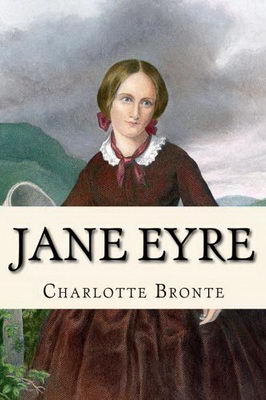
Jane Eyre is a classic Gothic novel that explores themes of love, identity, morality, and female independence. Written by Charlotte Brontë in 1847, it follows the journey of an orphaned girl as she struggles against societal norms to find her own voice. Below is a chapter-wise breakdown of the novel, structured for clarity, critical insight, and academic use.
Chapters 1–4: Life at Gateshead – Childhood Oppression
Jane Eyre begins her life at Gateshead Hall, where she lives with her abusive aunt, Mrs. Reed, and cousins. Isolated and unloved, Jane’s passionate spirit often brings her into conflict. After a traumatic experience in the “Red Room,” she is sent away to Lowood School.
Literary Focus: Brontë sets the tone with themes of injustice, childhood trauma, and emotional resilience.
Chapters 5–10: Lowood School – Suffering and Growth
At Lowood Institution, Jane endures harsh conditions and meets Helen Burns, a saintly figure who teaches her endurance through Christian philosophy. A typhus epidemic claims Helen’s life. Jane matures, excels academically, and eventually becomes a teacher before seeking employment elsewhere.
Themes: Religious morality, friendship, endurance, and institutional cruelty.
Chapters 11–17: Thornfield Hall – New Beginnings
Jane arrives at Thornfield Hall as a governess to Adèle Varens. She soon meets Mr. Edward Rochester, the brooding and enigmatic master of the house. Their relationship grows deeper despite class differences and Thornfield’s eerie atmosphere—especially the strange laughter from the attic.
Gothic Elements: Mysterious sounds, dark secrets, and romantic tension heighten the suspense.
Chapters 18–23: Jane and Rochester – Courtship and Conflict
Guests arrive at Thornfield, including Blanche Ingram, whom Jane suspects Rochester might marry. However, Rochester shocks Jane with a sudden marriage proposal—to her. Though thrilled, Jane is disturbed by ominous events and forebodings.
Key Motif: The tension between reason and emotion as Jane struggles with her feelings.
Chapters 24–27: The Wedding Interrupted – Bertha’s Secret
On the day of the wedding, a lawyer and a man named Mr. Mason interrupt, revealing that Rochester is already married. His wife, Bertha Mason, is mentally ill and hidden in the attic. Heartbroken but principled, Jane refuses to become his mistress and leaves Thornfield.
Major Theme: Moral integrity triumphs over passion. Jane asserts her agency.
Chapters 28–35: The Rivers Family – A New Identity
Jane, destitute, is taken in by Diana, Mary, and St. John Rivers. She discovers they are her cousins, and she inherits a large fortune. St. John, a devout missionary, proposes marriage—not out of love, but duty. Jane refuses, valuing emotional truth over obligation.
Feminist Lens: Jane rejects traditional expectations of women as submissive or self-sacrificing.
Chapters 36–38: Return to Rochester – Redemption and Equality
Jane mysteriously senses Rochester calling her. She returns to find Thornfield destroyed by fire, Bertha dead, and Rochester blind. Their reunion is deeply emotional. They marry on equal terms, and Rochester gradually regains sight.
Ending Note: The novel concludes with Jane achieving love, independence, and moral balance.
Themes Across Jane Eyre
For essay purposes, here are the core themes that evolve across chapters:
- Female Independence – Jane continually asserts her autonomy.
- Love vs. Morality – She refuses to sacrifice her principles for passion.
- Class and Gender – Challenges to Victorian norms are central.
- Gothic Mystery – Supernatural elements amplify internal and external conflict.
- Christian Values vs Hypocrisy – Explored through characters like Helen Burns and St. John.