
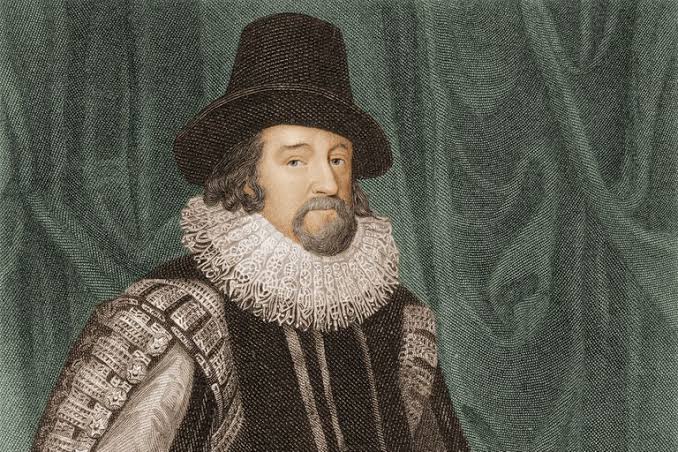
Francis Bacon
Biography
Francis Bacon (1561–1626) was an English writer, thinker, and philosopher who helped shape modern ways of studying the world. He is often called the father of modern science because he promoted a method of learning based on careful observation, experiments, and logical reasoning, instead of relying only on tradition or guesswork.
Bacon is well-known for his book of Essays, first published in 1597, where he wrote short, wise reflections on topics like truth, friendship, studies, and ambition. His style was clear, brief, and full of memorable sayings. He also wrote important works like The Advancement of Learning and Novum Organum, which explained how knowledge could be organized and improved to benefit society.
Through his writing, Bacon encouraged people to think critically, search for evidence, and apply knowledge for progress. Today, he is remembered both as a brilliant essayist and a pioneer of scientific thinking.
Essays by Francis Bacon
- Of Adversity
- Of Ambition
- Of Anger
- Of Atheism
- Of Beauty
- Of Boldness
- Of Building
- Of Ceremonies and Aspects
- Of Counsel
- Of Cunning
- Of Custom and Education
- Of Death
- Of Deformity
- Of Delays
- Of Discourse
- Of Dispatch
- Of Empire
- Of Envy
- Of Expense
- Of Faction
- Of Fame
- Of Followers and Friends
- Of Fortune
- Of Friendship
- Of Gardens
- Of Goodness and Goodness of Nature
- Of Great Place
- Of Honor and Reputation
- Of Innovations
- Of Judicature
- Of Love
- Of Marriage and Single Life
- Of Masques and Triumphs
- Of Nature in Men
- Of Negotiating
- Of Nobility
- Of Parents and Children
- Of Plantations
- Of Praise
- Of Prophecies
- Of Regiment of Health
- Of Revenge
- Of Riches
- Of Seditions and Troubles
- Of Seeming Wise
- Of Simulation and Dissimulation
- Of Studies
- Of Suitors
- Of Superstition
- Of Suspicion
- Of the True Greatness of Kingdoms and Estates
- Of Travel
- Of Truth
- Of Unity in Religion
- Of Usury
- Of Vain-glory
- Of Vicissitude of Things
- Of Wisdom for a Man’s Self
- Of Youth and Age