
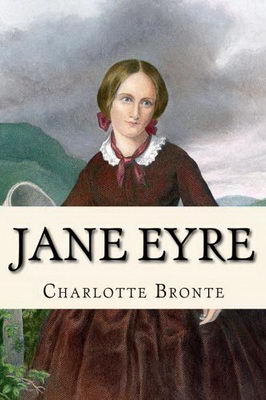
Jane Eyre by Charlotte Bronte is a powerful bildungsroman that traces the emotional and moral development of its heroine, Jane Eyre, from a mistreated orphan to a self-assured, independent woman. Set in Victorian England, the novel blends romance, gothic mystery, and social critique to explore themes of identity, morality, love, and female empowerment.
Orphaned as a child, Jane is raised by her cruel aunt and cousins at Gateshead Hall, where she experiences emotional and physical abuse. Her strong-willed nature leads to her being sent to Lowood School, a harsh charity institution. Despite the strict regime, Jane forms a deep friendship with the pious Helen Burns and gradually matures into a thoughtful and capable young woman. After becoming a teacher, she seeks a new life and accepts a position as a governess at Thornfield Hall.
At Thornfield, Jane meets the enigmatic Edward Rochester, the master of the estate. Their intellectual and emotional connection deepens, and Jane falls in love with him. However, their relationship is tested when Jane discovers that Rochester is already married to Bertha Mason, a mentally ill woman hidden in the attic. Devastated, Jane leaves Thornfield, refusing to compromise her principles.
After enduring hardship, Jane is taken in by the Rivers family, only to discover they are her cousins. She inherits a fortune and gains the independence she never had. Rejecting a passionless marriage proposal from her cousin St. John, Jane returns to Rochester, who has been blinded and maimed in a fire that destroyed Thornfield. They reunite and marry, now on equal footing.
Ultimately, Jane Eyre is a novel of personal growth, moral conviction, and self-respect. Jane’s journey reflects a woman’s struggle for dignity in a world that often seeks to silence her. Brontë’s portrayal of a heroine who values love without losing herself continues to inspire readers across generations.