
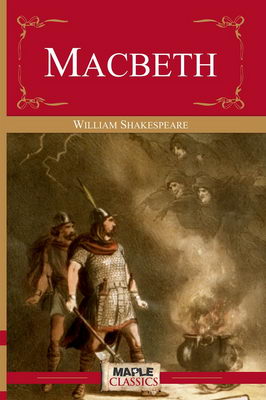
William Shakespeare’s Macbeth explores the corrosive effects of unchecked ambition, guilt, and the supernatural on the human psyche. Set in medieval Scotland, the play follows the titular character, a once-noble general, whose fate is irrevocably altered by a prophecy, his own ruthless ambition, and the manipulations of his wife.
The play opens with Macbeth and his comrade Banquo encountering three witches who prophesy that Macbeth will become Thane of Cawdor and, eventually, King of Scotland. When the first prophecy swiftly comes true, Macbeth is consumed by ambition, spurred on by his wife, Lady Macbeth, who urges him to murder King Duncan and seize the throne. Despite his initial hesitation, Macbeth commits regicide, setting off a chain of violence and paranoia.
As king, Macbeth grows increasingly tyrannical, ordering the murder of Banquo (whose descendants were prophesied to rule) and slaughtering the family of Macduff, a nobleman who suspects his treachery. Meanwhile, Lady Macbeth, once the driving force behind their bloody ascent, succumbs to guilt-induced madness, sleepwalking and hallucinating bloodstains that cannot be washed away.
The supernatural pervades the play—the witches’ cryptic prophecies, ghostly apparitions, and eerie omens underscore Macbeth’s descent into moral decay. His false sense of security, bolstered by the witches’ misleading assurances, collapses when Macduff (born by cesarean and thus not “of woman born”) leads an army against him. In the climactic battle, Macbeth confronts his inevitable downfall with a nihilistic resolve, declaring life –
…a tale
Told by an idiot, full of sound and fury,
Signifying nothing.
Themes of fate versus free will, the corrupting nature of power, and the psychological torment of guilt dominate Macbeth. Shakespeare’s dense, poetic language—filled with imagery of darkness, blood, and disorder—mirrors the moral chaos unleashed by Macbeth’s actions. The play stands as a timeless meditation on ambition’s peril and the inescapable consequences of evil.
Key Plot Points of Macbeth
The Witches’ Prophecy – Macbeth and Banquo meet three witches who predict Macbeth will become Thane of Cawdor and later King of Scotland, while Banquo’s descendants will rule.
Duncan’s Murder – Encouraged by his ambitious wife, Lady Macbeth, Macbeth murders King Duncan to seize the throne, setting off a chain of violence.
Descent into Tyranny – Paranoid and ruthless, Macbeth orders the murder of Banquo and Macduff’s family to secure his power.
Lady Macbeth’s Madness – Overwhelmed by guilt, Lady Macbeth sleepwalks, hallucinates blood on her hands, and ultimately dies in despair.
Macbeth’s Downfall – The witches’ misleading prophecies give Macbeth false confidence, but Macduff (who was “from his mother’s womb untimely ripped”) kills him, restoring order to Scotland.
Major Themes in Macbeth
Ambition & Power – How unchecked ambition leads to self-destruction.
Guilt & Madness – The psychological torment of Macbeth and Lady Macbeth.
Fate vs. Free Will – Do the witches control Macbeth’s destiny, or does he choose his path?
The Supernatural – The role of witches, prophecies, and hallucinations in driving the tragedy.