
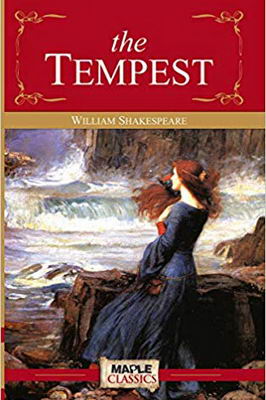
William Shakespeare’s The Tempest is a richly layered play that explores themes of power, revenge, forgiveness, and colonialism, set within a magical and mysterious island. As one of Shakespeare’s final plays, it combines elements of romance, tragedy, and comedy, often classified as a tragicomedy or a late romance.
Plot summary
The play opens with a violent storm at sea (the “tempest”) created by the magician Prospero, the rightful Duke of Milan, who was overthrown by his treacherous brother Antonio. With the help of the spirit Ariel, Prospero causes a ship carrying his enemies—including Antonio and the King of Naples—to wreck on the island where he has lived in exile for 12 years with his daughter, Miranda.
Prospero’s island is home to magical forces. He has enslaved both Ariel, a light and obedient spirit, and Caliban, the son of a witch, who resents Prospero’s control. Using his knowledge of magic, Prospero orchestrates events on the island to bring about a confrontation with his past.
As the survivors of the shipwreck wander the island, their interactions are shaped by Prospero’s influence. Prince Ferdinand, son of the King of Naples, falls in love with Miranda. Their innocent love contrasts with the political betrayal that haunts Prospero.
Meanwhile, comic relief is provided by the drunken but foolish Stephano and Trinculo, who plot with Caliban to overthrow Prospero—a subplot that parodies the main theme of power and rebellion.
In the climax, Prospero reveals his identity to his enemies but chooses forgiveness over vengeance. He restores Miranda’s rightful place in society by blessing her marriage to Ferdinand and renounces his magical powers, symbolizing a return to humanity.
Major Themes in The Tempest:
- Power and Control – Seen through Prospero’s dominance over others and the political betrayal he suffers.
- Colonialism and Slavery – Explored through the character of Caliban and the idea of the island being “tamed” by Europeans.
- Forgiveness and Redemption – The play ends not with revenge but reconciliation.
- Illusion vs Reality – Magic, dreams, and performances blur the line between what’s real and what’s not.